November 15, 2025 · 4 min read
Practical AI: My Experience as a CIO Pretending to be a Coder with AI!
It's been a while since my last article, so here's what's been keeping me busy in the evenings for the past couple of months. I've never considered myself a developer, but curiosity with ChatGPT and GitHub Copilot turned into something much more ambitious once I found Lovable.dev. I ended up building a real, working piece of software that's already changing how I work as a consultant. Here's what I learned.
I’d spent more than twenty years leading technology and data organizations, designing systems, running teams, and shaping strategy. My last hands-on coding had been fifteen years earlier, when I wrote Unix scripts and worked with automation tools. After experimenting with ChatGPT and GitHub Copilot, I used Lovable.dev to mock up interfaces with my teams. Those sketches led to working software that changed how I deliver consulting work and what I can offer clients.
From Mockup to Meaningful Software
My first experiment was a mock-up of an AI-enabled Business Analyst workbench — a tool to help analysts understand business context and automatically generate technical specifications.
Two months later, I had stopped thinking about Lovable as a prototyping tool and started treating it like a real development environment. That transition happened the moment I realized the platform could produce functioning software — not draft ideas — and could potentially change how my consulting teams deliver work.
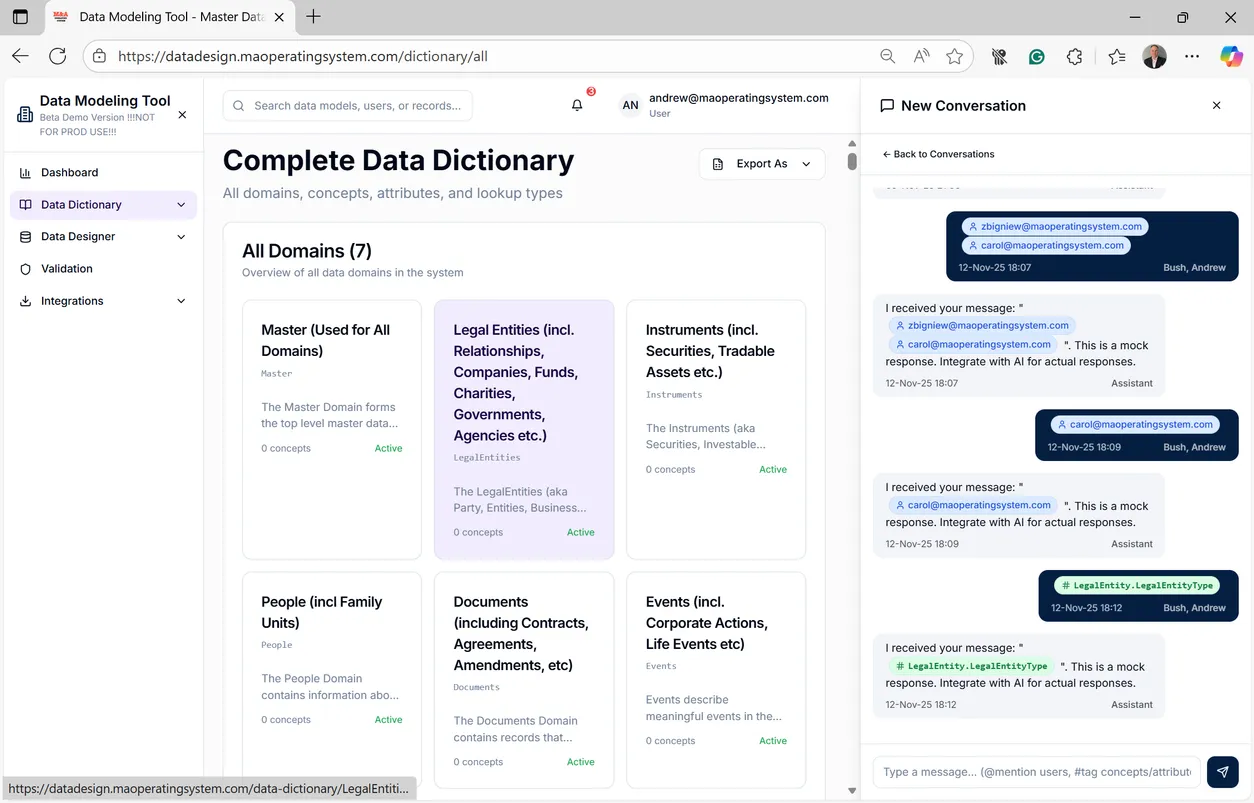
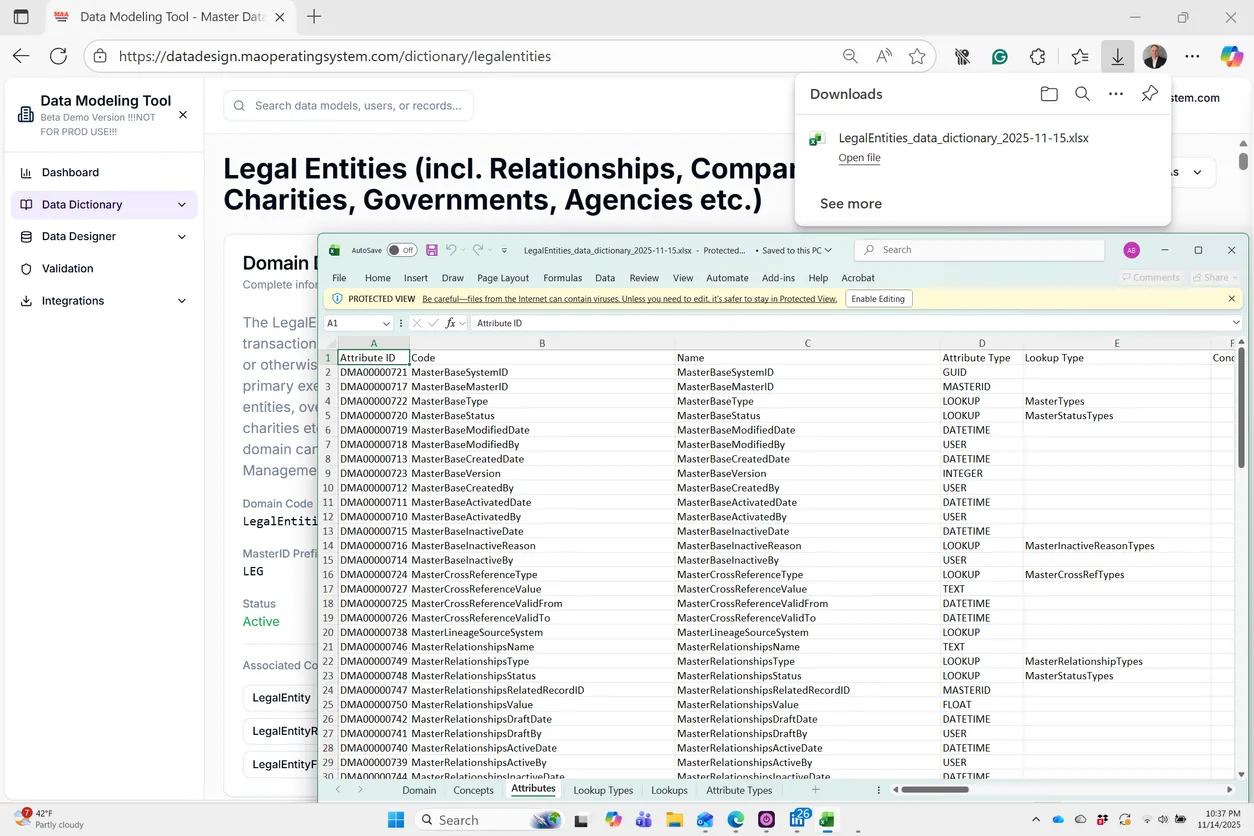
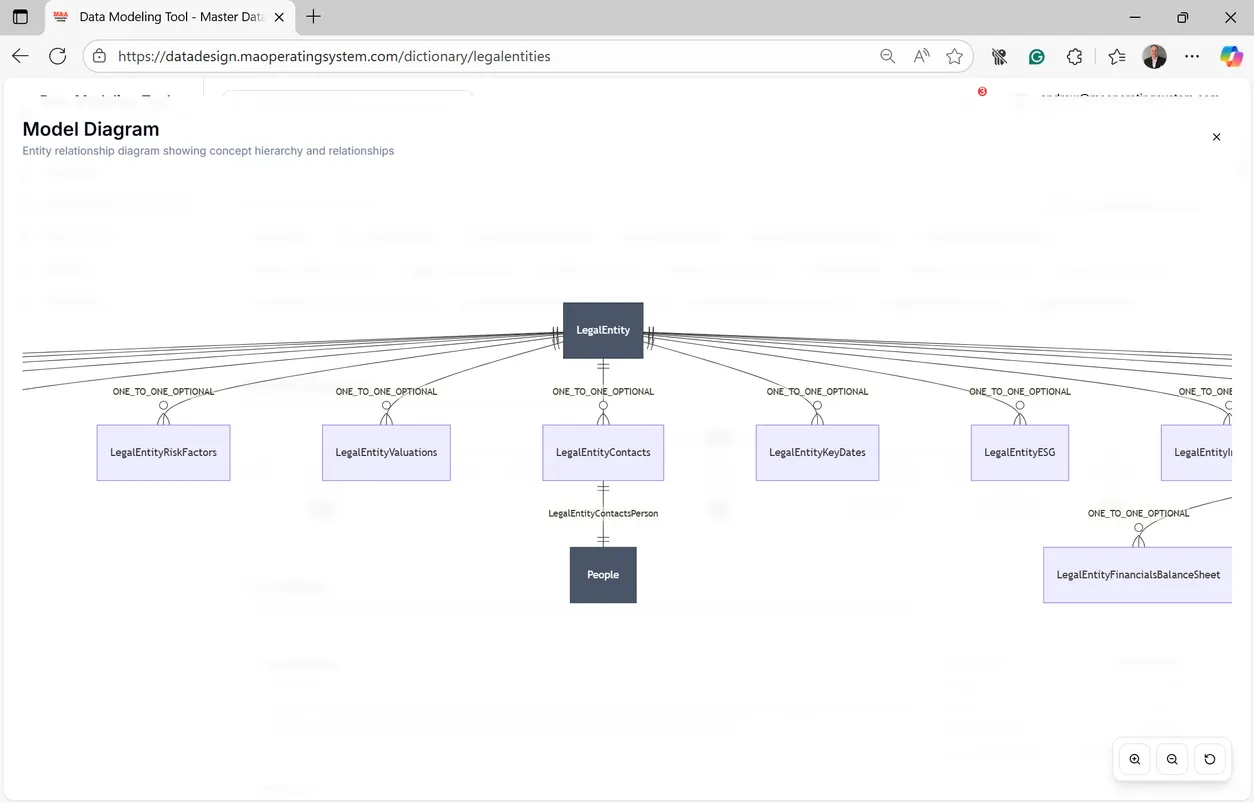
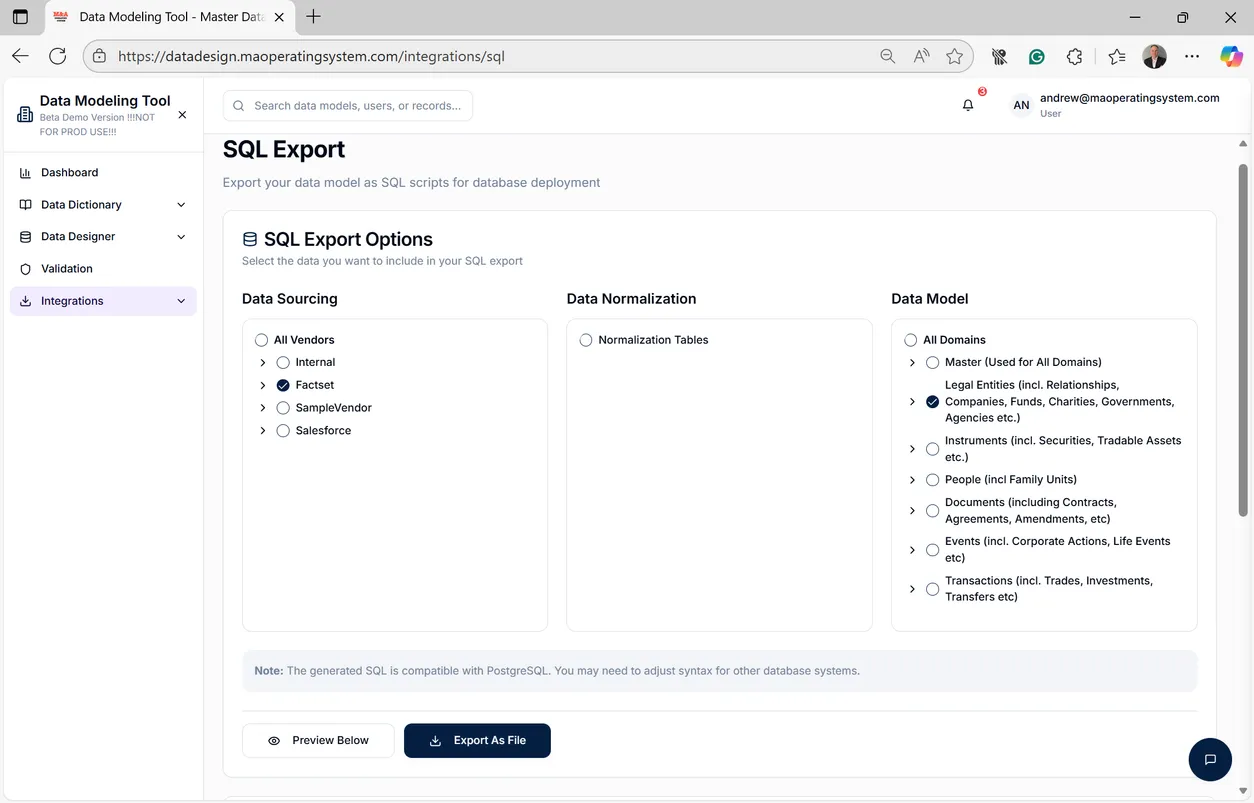
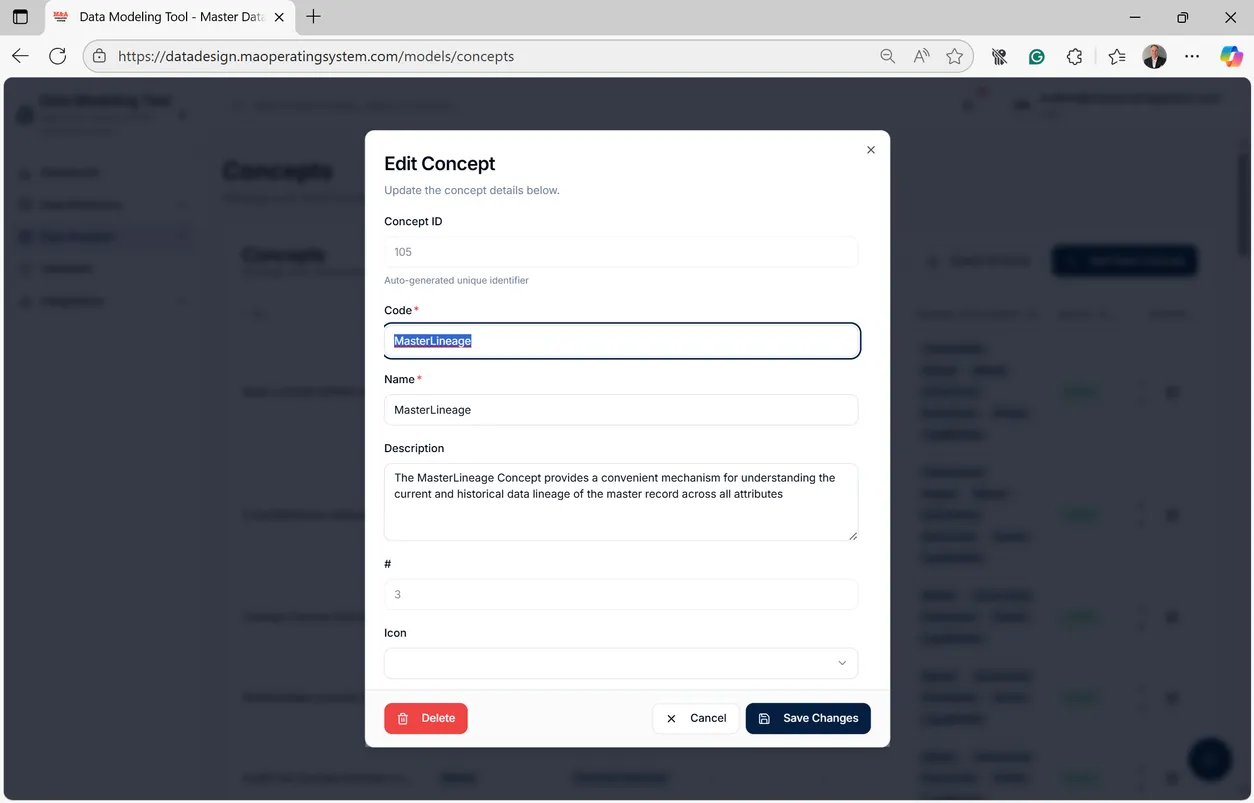
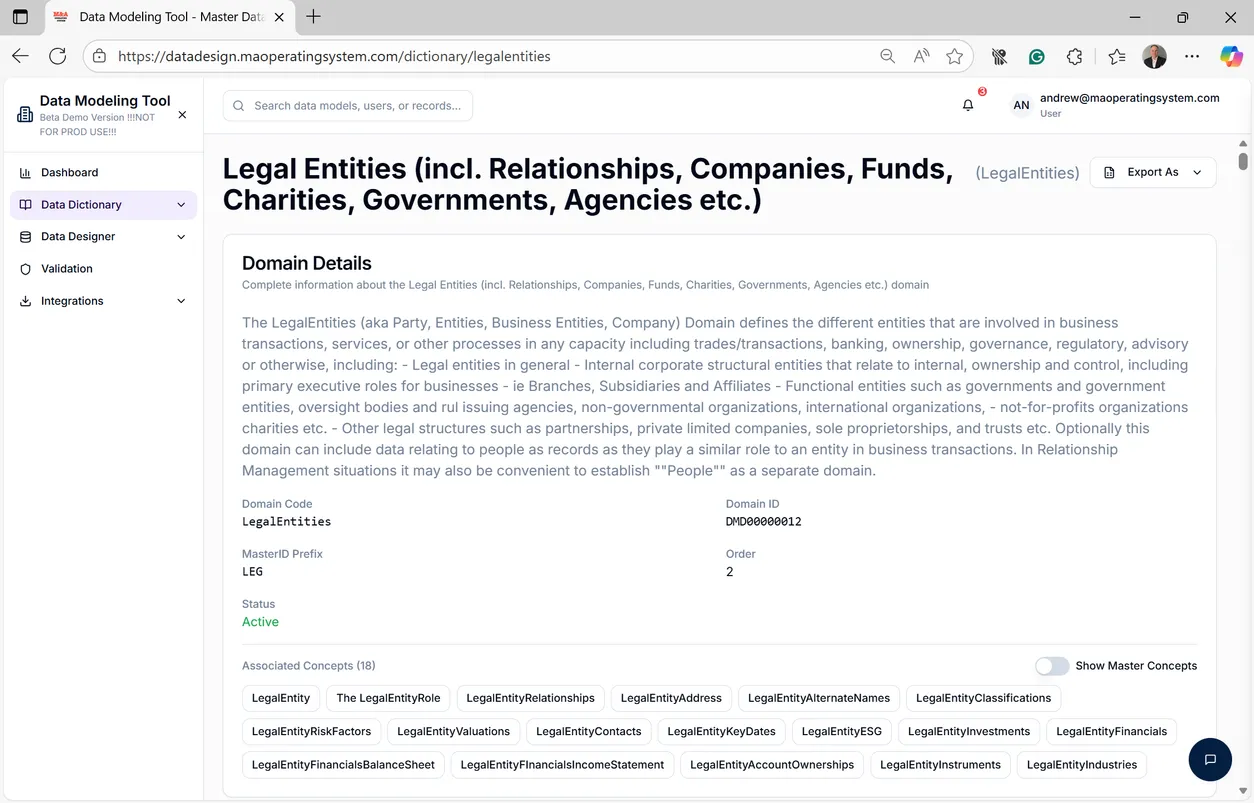
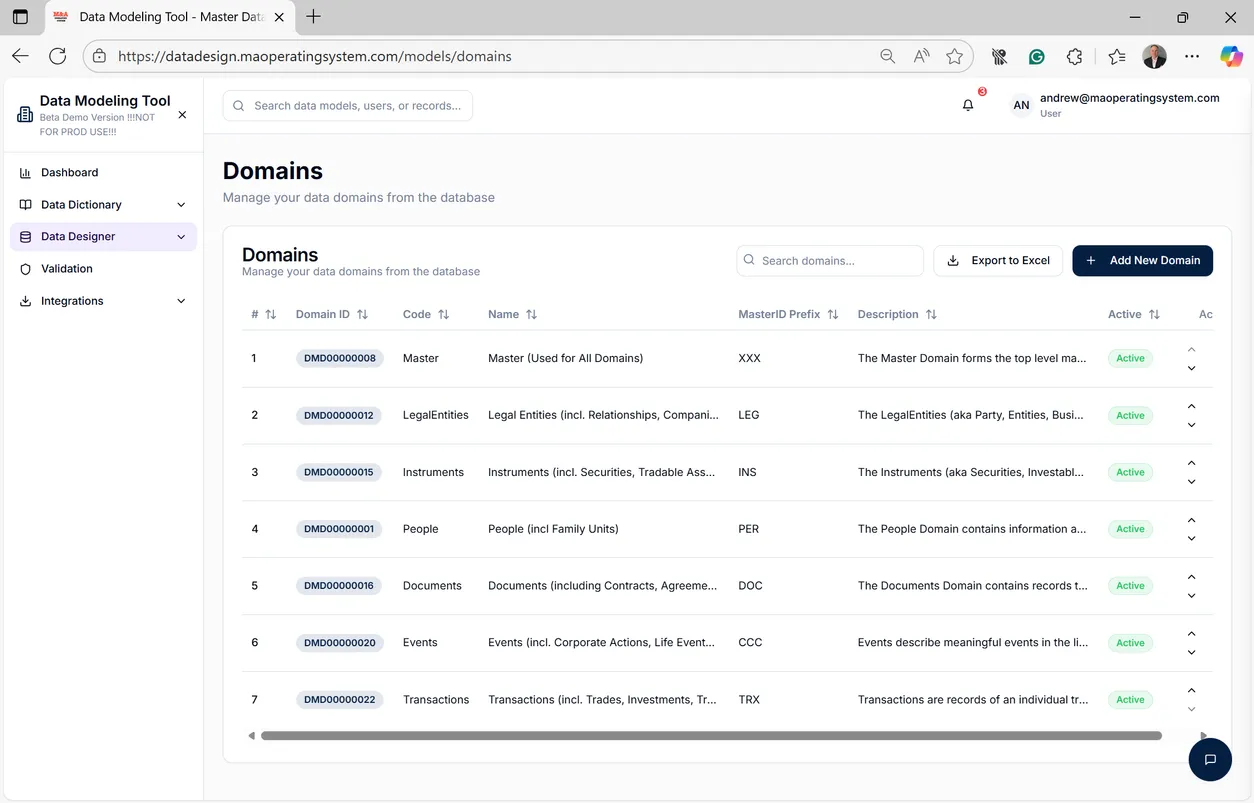
From there, I built a second project: an internal data modeling and design platform to manage the complex work I do across my Chief Data Officer Advisory engagements. Historically, I managed my data modelling work in spreadsheets and Airtable — pushing those tools far beyond their intended purpose. Now, I have a working version of the platform deployed across my teams, and I’m already using it to accelerate client delivery and design workflows as an internal productivity tool.
That application would never have made it past a slide deck using traditional development. Instead, it was built in around four months using about $200 in AI credits.
What Made the Difference
Lovable.dev presents a fundamentally different way of building software:
- You don’t learn UX design, coding, or architecture — you start a conversation.
- Every change, feature, or refactor happens through natural language
- A backend with authentication and a database can be deployed with one click
- Supabase integration removed the need for my assumed future need to figure out an Azure deployment plan
- The boundary between design and implementation dissolves almost immediately
I consider myself fortunate that this sudden surge in AI capabilities has occurred in the latter part of my career. I am lucky. I have already built up a considerable amount of best practice knowledge, architecture design principles, and awareness of how things vs should be done. I feel that at this time, this experience makes a massive difference in today's AI. My favorite prompts become:
“Stop, step back, and review the whole project and look for design best practices and ways to simplify.”
“Why implement it this way instead of .... ?”
“Do not make changes. Make recommendations with pros and cons of how to implement….”
At this point, I realized I had become the product owner, the architect, and somehow the person doing the build all at the same time.
Where Lovable.dev Still Needs to Improve
Even with the speed and simplicity, several challenges stood out — and they matter if the goal is to use Lovable for sustained, production-level work:
- Granular rollbacks and change visibility - Rollbacks apply to entire updates, even if only one part needs to be reverted, meaning progress can be unintentionally lost.
- Undetected side effects. Changes to one feature occasionally broke another and weren’t discovered until several iterations later, requiring rework.
- Design decision transparency - The model would acknowledge that my suggested alternative was better, raising the question of why it didn’t propose it initially (or is it just stroking my ego!)
- Needs comparable AI-driven automated regression testing - I am now exploring third-party tools to test UI/functionality independently, so I don’t discover regressions by accident.
- Spec-based design would be a significant leap forward - I would prefer to manage structured requirements and let the AI handle the implementation, not just a chat history. I would love it if the AI chat wrote the specs.
None of these issues change the outcome: I now have a working application that is actively reshaping how I deliver consulting work. However, addressing them would make Lovable a truly end-to-end build environment for one-person product teams.
Final Thoughts
This experience changed my mindset completely. AI-enabled development is not just for engineers — it is a force multiplier for anyone with business and technology expertise, even if they have never written production code.
My takeaways: • AI coding is possible — when you have experience. • AI coding is possible — even if you’re not a developer. • The best way to learn is to try – I was honestly surprised by the results.
If you’re curious, here is a link to get started. If you click on this link, I think I may earn a few extra AI credits to play with https://lovable.dev/invite/38IUVKE.
I'll follow up in a few days with a separate article on the launch of the actual product. Subscribe and look out for this.